

Tali / Elondo
Name
• Scientific: Erythopleum utile Sprague.
E. Suaveolensis Brenan
• Spanish: Elondo, Tali, Bolondo
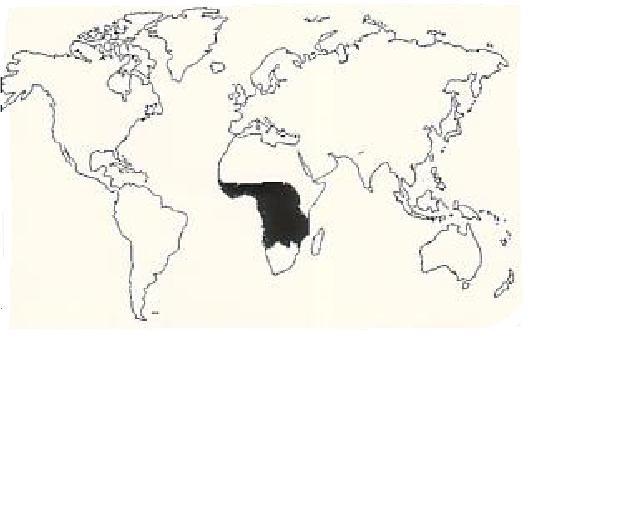
Origin
Description of the wood
• Sapwood: Yellowish-white to pinkish-white.
• Heartwood: Yellowish-brown to reddish-brown.
• Grain: Straight, often interlocked or tightly interlocked.
• Texture: Coarse.
Impregnation
• Sapwood: Moderately impregnable
• Heartwood: Poorly impregnable
Mechanization
• Sawing: No problems other than its hardness.
• Drying: Very slow. High risk of warping and less risk of cracking.
• Planing: Difficult due to its hardness and the high risk of splitting and chipping. Machining should be done very slowly.
• Gluing: The tannins hinder good adhesion.
• Nailing and screwing: Due to its hardness. Pre-drilling is recommended.
• Finishing: Gum deposits can locally inhibit varnish adhesion.
Applications
• Outdoor furniture
• Interior carpentry: doors, stairs, paneling, moldings, baseboards, wainscoting, parquet flooring
• Exterior carpentry: doors and windows
• Interior and exterior joinery
Mechanical properties
• Static bending strength: 1,700 kg/cm²
• Modulus of elasticity: 140,000 kg/cm²
• Compressive strength (parallel): 750 kg/cm²
• Tensile strength (parallel): 1,200 kg/cm²
To be considered
• In some parts of Spain, it's called Bolondo.
• In the ATIBT guide, it appears as Tali.