

Iroko
Name
• Scientific: Clorophora excelsa Benth. & Hooff.: C. regia A. Chev
• Spanish: Iroko. African Iroko
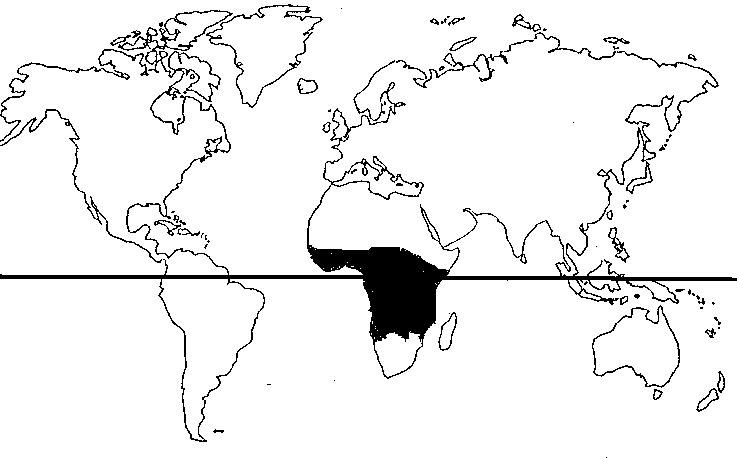
Origin
Description of the wood
• Sapwood: Yellowish-white.
• Heartwood: Yellowish-brown, turning reddish-brown in the light.
• Grain: Straight, often slightly interlocked.
• Texture: Medium to coarse.
Impregnation
• Sapwood: Impregnable
• Heartwood: Not impregnable
Mechanization
• Sawing: No difficulties except for some abrasiveness from the calcareous deposits it contains.
• Drying: Medium to slow. Minor risk of warping and cracking.
• Planing: Relatively good, except for its abrasiveness and the risk of splitting when the grain is interlocked.
• Gluing: Problems with casein glues.
• Nailing and screwing: No problems.
• Finishing: Contains tannins that can inhibit the drying of oxidizing varnishes, such as polyurethanes or others.
Applications
• Outdoor furniture for parks and urban gardens.
• Interior joinery: doors, stairs, paneling, moldings, baseboards, wainscoting, decking.
• Exterior joinery: doors and windows.
• Structural joinery for interior and exterior use.
• Decorative veneers.
Mechanical properties
• Static bending strength: 955 kg/cm²
• Modulus of elasticity: 105,000 kg/cm²
• Compressive strength parallel to the axis: 540 kg/cm²
• Tensile strength parallel to the axis: 800 kg/cm²
To be considered
- It is recommended not to use the sapwood. In some areas, it is incorrectly called teak.
- When sawn, it displays various colors that even out over time.