

Pino Pinaster
Name
• Scientific: Pinus pinaster Ait.
• Spanish: Sea pine. P. gallic; P. resinous
Origin
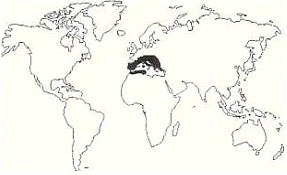
Description of the wood
• Sapwood: Yellowish-white
• Heartwood: Orange-yellow
• Grain: Straight
• Texture: Coarse to medium
• Defects: Abundant, medium to large, sound, and loose knots. Juvenile wood. Resin pockets and rotten wood
Impregnation
Sapwood: Impregnable
Heartwood: Poorly or not impregnable
Mechanization
• Sawing: Easy, unless there is excess resin.
• Drying: Easy and fast. Small risk of cracking and warping. Resin exudation.
• Planing: Easy. Risk of resin clogging.
• Gluing: Problems if there is excess resin.
• Nailing and screwing: Requires pre-drilling.
• Finishing: Problems when resin is present. It is advisable to apply a primer to homogenize the wood.
Applications
• Rustic and youth indoor furniture
• Interior joinery and paneling: Doors, flooring, wainscoting, door and window frames
• Interior framing joinery. Laminated wood
• Decorative veneers and plywood
• Finger-jointed panels
• Containers and packaging
• Auxiliary construction (props, formwork)
Mechanical properties
• Static bending strength: 795 kg/cm²
• Modulus of elasticity: 74,000 kg/cm²
• Compressive strength parallel to the beam: 400 kg/cm²
To be considered
- Marked color difference between the heartwood and the sapwood